Wednesday, July 19, 2023

Q3 Update From Equipment Leasing and Finance Foundation


Q3 Update to 2023 Economic Outlook Forecasts 0.9% Expansion in Equipment, Software Investment

July 19, 2023, 07:25 AM

High interest rates and slowing economic growth will continue to impact equipment and software investment growth as the year progresses, according to the Equipment Leasing & Finance Foundation’s Q3 update to the 2023 Equipment Leasing & Finance U.S. Economic Outlook. The report revealed that economic growth in Q1 was stronger than initially estimated, leading the Foundation to raise its annual U.S. GDP forecast to 1.6 percent. However, after investment contracted in the first quarter — and with a potential recession still looming on the horizon — the Foundation revised its annual estimate for equipment and software investment growth down slightly, to 0.9 percent.

The Foundation's report is focused on the $1.16 trillion equipment leasing and finance industry and highlights key trends in equipment investment, placing them in the context of the broader U.S. economic climate.

Nancy Pistorio, Foundation Chair and President of Madison Capital LLC, said, “The U.S. economy posted surprisingly solid growth in Q1, and labor markets have been unexpectedly resilient to higher interest rates. Additionally, after a poor first quarter for equipment and software investment growth, it appears that the segment may have picked up a bit in Q2, and several of the Foundation’s forward-leaning Momentum Monitors are in a better position today than they were earlier in the year. Nevertheless, as the report makes clear, the economic tide still looks to be going out: core inflation is still above target, financial stress is rising, and labor markets are likely to weaken substantially later this year as the effect of high interest rates sets in. While a so-called ‘soft landing’ is still possible, a mild recession beginning by year’s end is still the most likely base-case scenario.”

Highlights from the Q3 update to the 2023 Outlook include:

  • The U.S. economy has been stronger than anticipated driven by a robust labor market and resilient U.S. consumers. Inflation has improved but remains above target, and a looming credit crunch and slower global economic growth remain significant headwinds.
  • Equipment and software investment growth is struggling amid volatile industry conditions at the midway point of 2023 after decreasing by 4.5 percent in Q1. Although conditions may have improved somewhat in Q2, they are far from ideal. As a result, the annualized growth forecast for equipment and software investment is just 0.9 percent.
  • The manufacturing sector’s measures of activity have held firm in recent months with solid production and sales in Q2. However, several leading indicators point to weakness later this year, including reduced demand from abroad, though the recent boom in manufacturing construction is a notable exception that should continue.
  • Main Street has held its own during one of the most turbulent periods in recent economic history. However, a growing share of small firms are reporting weaker sales, tepid capital investment plans, and rising borrowing costs. The looming credit crunch expected later in 2023 is likely to disproportionately impact small businesses.
  • The Federal Reserve held interest rates steady at its most recent meeting, the first such pause in the current tightening cycle. However, Chair Powell and the FOMC have made it clear that their work is not done and that additional rate hikes are likely later this year.

The Foundation-Keybridge U.S. Equipment & Software Investment Momentum Monitor, which is released in conjunction with the Economic Outlook, tracks 12 equipment and software investment verticals. In addition, the Momentum Monitor Sector Matrix provides a customized data visualization of current values of each of the 12 verticals based on recent momentum and historical strength. This month one vertical is expanding, five are recovering/emerging, and six verticals are weakening. Over the next three to six months, year over year:

  • Agriculture machinery investment growth is likely to remain in negative territory.
  • Construction machinery investment growth will decelerate.
  • Materials handling equipment investment growth will likely remain subdued.
  • All other industrial equipment investment growth is likely to remain muted.
  • Medical equipment investment growth should improve.
  • Mining and oilfield machinery investment growth may slow, but should remain positive.
  • Aircraft investment growth will continue to slow.
  • Ships and boats investment growth could decelerate sharply.
  • Railroad equipment investment growth may decelerate, but will likely remain positive.
  • Trucks investment growth may weaken but should remain positive.
  • Computers investment growth could begin to bounce back.
  • Software investment growth will continue to decelerate but should remain positive.

The Foundation produces the Equipment Leasing & Finance U.S. Economic Outlook report in partnership with economic and public policy consulting firm Keybridge Research. The annual economic forecast provides the U.S. macroeconomic outlook, credit market conditions, and key economic indicators. The Q3 report is the second update to the 2023 Economic Outlook, and will be followed by one more quarterly update before the publication of the 2024 Economic Outlook in December.

Download the full report at https://www.leasefoundation.org/industry-resources/u-s-economic-outlook/.

Download the Momentum Monitor at https://www.leasefoundation.org/industry-resources/momentum-monitor/.


Tuesday, July 11, 2023

6 Reasons Equipment Vendors Offer Financing


6 Reasons Equipment Vendors Offer Financing

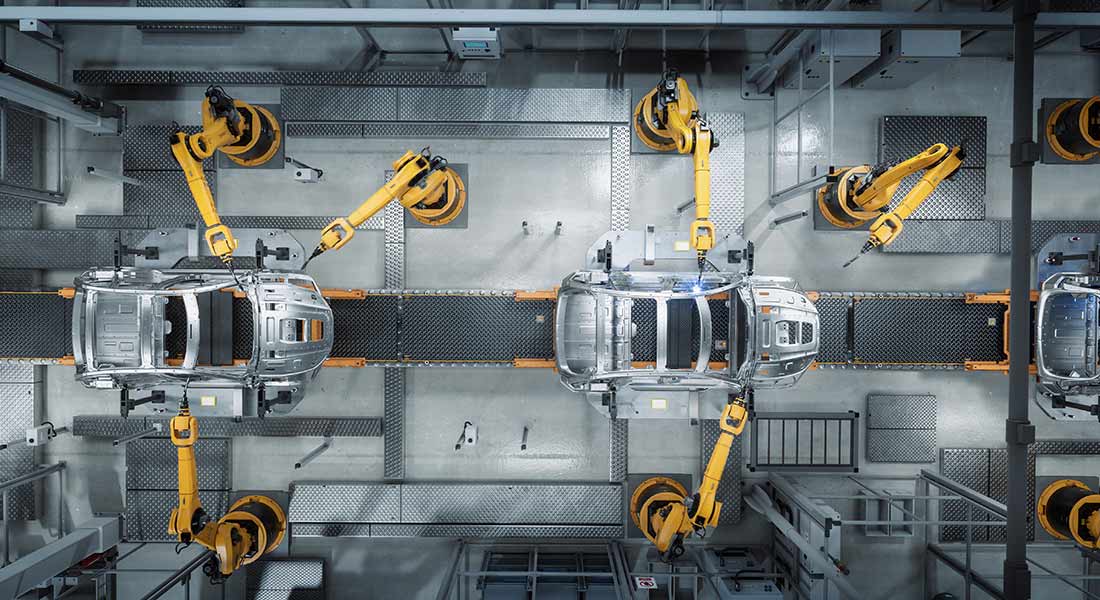
overhead view of robotics manufacturing facility, six reasons vendors offer financing

Equipment vendors must close deals to grow, expand, profit, and stay competitive in their respective markets. Sales provide the revenue needed to cover expenses, pay sales managers and support staff, and reinvest in the business. Plus, sales allow vendors to build customer relationships that may result in repeat business and increased loyalty. For these reasons, business-savvy vendors offer financing options to their customers, which is a proven way to increase sales and add value to their companies.

Offering financing to customers presents equipment vendors and their customers with other benefits. To learn what they are, keep reading this Balboa Capital blog article. It features six reasons why equipment vendors offer financing.

Makes equipment acquisition easy for customers.

Offering customers an easy, flexible purchase option is one of the most important reasons to provide financing. Prospects who visit your showroom or lot have a good idea of what they want, and presenting them with custom-tailored financing options and repayment terms can help you and your sales managers close deals.

If you don’t offer financing, the path to purchase will lengthen because prospects will need to crunch numbers and decide how to buy the equipment based on their financial situation. Additionally, prospects might take their business to a competing vendor that sells equipment with financing options.

Helps businesses procure equipment quickly.

Small businesses need the right equipment to stay competitive and boost profits and market share. In some cases, companies need to procure equipment right away. For example, if a critical piece of equipment malfunctions or breaks down, it can disrupt production and negatively affect the bottom line. Fortunately, equipment financing solutions provide a fast and efficient way for businesses to access capital quickly and easily.

It is an ideal solution for those who want quick access to capital without the hassle of long wait times or complicated paperwork. If financing is part of your product offering, customers won’t need to look for an outside lender, and they can quickly secure funding to finance the equipment you sell.

Boosts customers’ buying power.

Business owners who finance equipment often spend more than they initially budgeted for. The reason is that financing can give business owners more buying power than a one-time cash purchase. As a result, they can finance newer and more feature-filled equipment with higher price points.

So, by offering financing, your vendor business can attract more customers who would otherwise be unable to purchase higher-priced equipment due to budgetary concerns or financial constraints. You and your sales team can close more significant deals while your customers outfit their companies with leading-edge equipment.

Increases customer loyalty.

Offering financing options to customers can be a great way to increase customer loyalty. Presenting financing solutions to your customers when they are ready to move forward shows that you put their needs first and have everything covered.

You and your sales team members can provide more personalized services that meet your customers’ specific needs, particularly financing-related ones. This helps create a sense of trust between you and your customers, leading to increased loyalty and long-term customer relationships.

Offers more convenience to customers.

Today’s business owners wear many hats and are busy managing their day-to-day tasks. So, they want the convenience of an efficient financing process when investing in business equipment. If your vendor business is a one-stop shop for equipment purchases, financing, and customer support, your customers will be afforded optimum convenience. Customers can peruse your showroom or lot to evaluate your inventory, select the equipment they want, and apply for financing on the same visit.

Next, you can provide customers with more convenience by working with a business lender specializing in equipment vendor financing. Some lenders can expedite funding swiftly for approved deals with their own application, borrowing requirements, and credit-scoring technology.

Helps generate repeat business.

Customer retention is vital for any equipment vendor business that wants to improve its bottom line. It is about keeping customers happy and loyal and creating a steady revenue stream for the company.

By offering convenient financing solutions to customers, you can establish your vendor business as a preferred resource for the equipment you sell. This can lead to increased sales, repeat purchases, and referrals. Of course, all of these sales translate to increased profits.

What to look for in a business lender.

You have many options if you want to add financing to your list of services. There are direct business lenders that service equipment vendors, many of which have a national footprint and industry expertise.

When evaluating lenders, some things to consider include their time in business, reputation in the market, typical approval rates, lending power, and speed of funding. In addition, some lenders provide their vendor partners with marketing support, such as private-label financing applications.

The opinions voiced in this material are for general information only and are not intended to provide specific advice or recommendations for any individual.

Thursday, July 6, 2023

Section 179 2023


Section 179 is a Sales Tool For Vendors


One effective sales tool that forward-thinking equipment vendors deploy is the Section 179 tax deduction. Vendors mention the myriad benefits of this tax incentive to customers, which often helps reduce the path to purchase and results in more sales. In this Balboa Capital blog post, you will learn more about Section 179 and how you and your salespeople can use it to close more deals and increase profits.

What is Section 179?

Section 179 is a federal tax deduction that allows businesses to deduct the total or partial purchase price of qualifying equipment, vehicles, machinery, software, and other tangible assets on their tax returns with Internal Revenue Service (IRS) Form 4562. Not all assets are eligible for the deduction, so business owners must consult an accountant to confirm.

In 2023, the Section 179 tax deduction limit is $1,160,000, and the phase-out threshold is $2,890,000. Plus, bonus depreciation is 80% for equipment placed into service from January 1, 2023, through December 31, 2023.1 As you can see from these numbers, Section 179 presents business owners — your customers — with an opportunity for some tremendous deductions come tax time.

Make Section 179 part of your team’s training.

Your equipment vendor business can maximize profits and sustain long-term success with the right strategies. In addition to your business-to-business (B2B) marketing initiatives and website, you should have internal strategies for educating and training employees. This can ensure that your salespeople have extensive knowledge of the equipment you sell and its benefits and features.

You can’t assume that everyone on your staff understands what Section 179 is and how it works. Therefore, it would be advantageous if one of your employee training sessions featured an overview of Section 179 and how it benefits your end-user customers. When your salespeople understand this tax deduction, they can mention it to customers and feel confident answering questions about it. Moreover, they will realize how it can help them close more deals.

It will also help if you send an email to your salespeople that features a brief explanation of what Section 179 is, how it works, and what the current year’s deduction limit is.

Putting it into action on the sales floor.

Every vendor salesperson has a way of interacting with customers and helping them choose the best equipment for their business’s needs and budget. Customers will typically be interested in the equipment’s features, benefits, and capabilities and how much it costs. Equipment warranty, delivery, and installation, if applicable, are also talking points.

Most business owners are familiar with expenses that can be deducted from their taxable income, such as marketing, business insurance, legal fees, and rent. But regarding business equipment, they might not be fully aware of the potential deductions under Section 179. That said, you and your salespeople should mention Section 179 after you have covered the equipment’s features, benefits, and price, and your customer is nearing the finish line with their purchase.

If you mention Section 179 right when your customer enters your showroom or lot, you might sound pushy or desperate for the sale. It is best to welcome them and let them know you are available if they have questions about the equipment you sell or need advice and recommendations. Take your time, and don’t rush your customers through the buying process.

Over time, you will have a good sense of when to bring up Section 179. For some customers, it might be during the initial discussion about the equipment they are interested in, and for others, it might be at the point of purchase.

Conclusion

Section 179 can be a great sales tool for your equipment vendor business, as it incentivizes customers to purchase the equipment you sell. By mentioning Section 179 and its benefits, you and your salespeople can make the equipment more attractive to potential buyers while helping them save money on their taxes. Just advise customers to contact their business accountant if they need more information about Section 179 and how it applies to their business.

Balboa Capital, a Division of Ameris Bank, is not affiliated with nor endorses the Internal Revenue Service (IRS) or Hourly, Inc. The opinions voiced in this material are for general information only and are not intended to provide specific advice or recommendations for any individual.